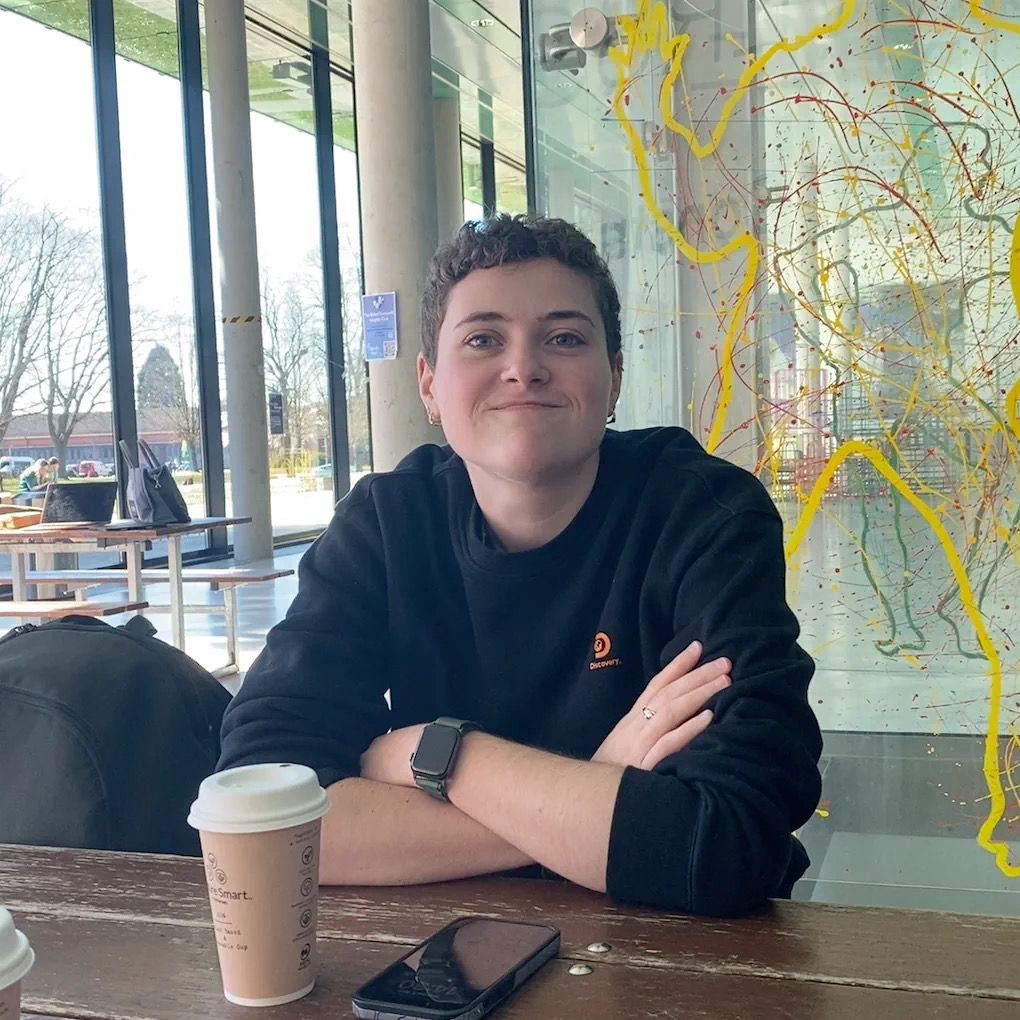
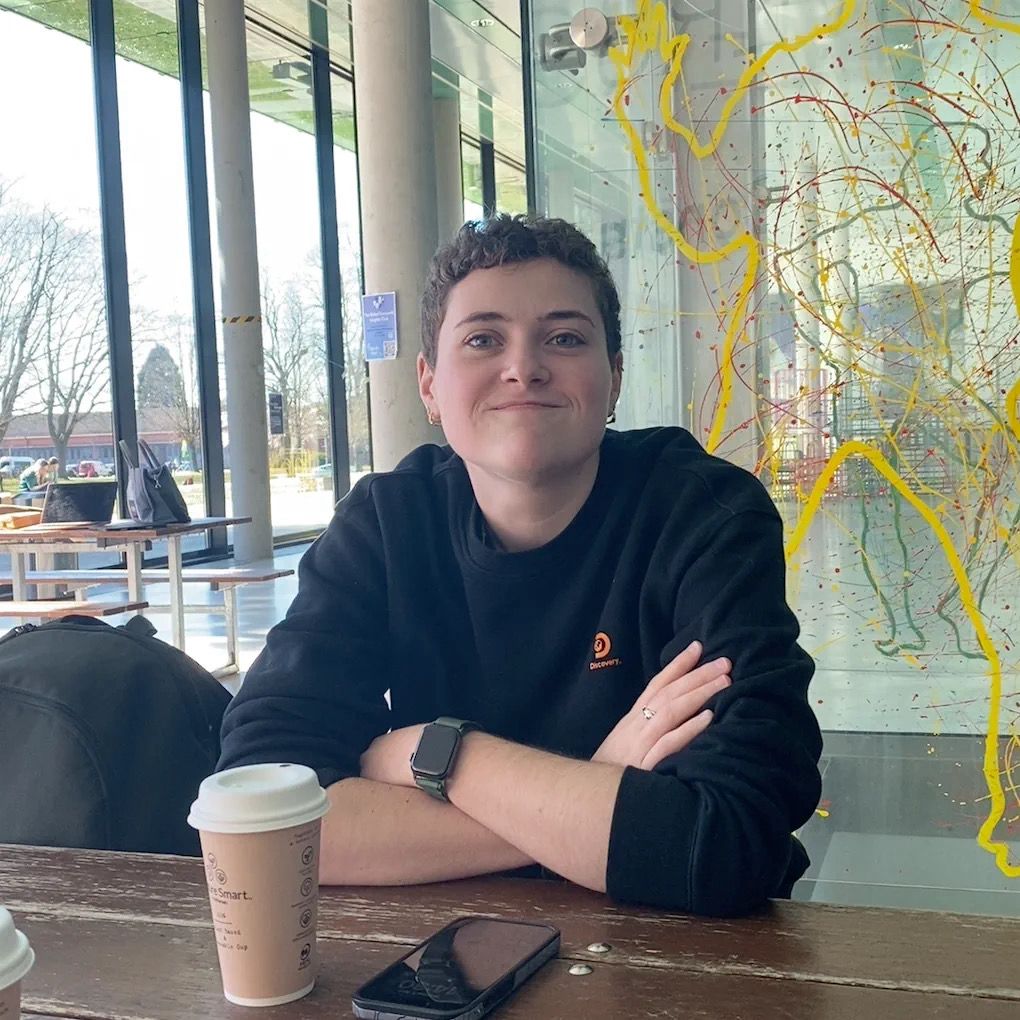
In today’s edition we interview Catherine, an ISCP major, to find out more about the Society of Psychology and the Interdisciplinary Neuroscience Society to discover what they have to offer.
Welcome back to another edition of Your Major, Your Club.
This edition is for the majors who love to psychoanalyze people. Today, we will focus on Integrated Social & Cognitive Psychology, also known as ISCP. I had the privilege of interviewing Catherine, a member of both of the clubs featured. Through her, I learnt a lot about both clubs and how they benefit ISCP students. Before we get started, here are brief introductions to the stars of our show today!
Society of Psychology: Our first club is the Society of Psychology. It’s the de facto club for Psychology majors. Through this club, you get to know your fellow psych students as well as get to know your professors. Even better, you can get tips and advice from students who are a year or two above you.
Interdisciplinary Neuroscience Society: Our second club is the Interdisciplinary Neuroscience Society. If you have an interest in neuroscience or have a path planned out for you want your career path to go, this is the place to be. Through this club, you’ll get great insight about a career in Neuroscience because professors hold panels for students to ask questions and learn more about their experience. Furthermore, by joining, you could help plan events that educate others about mental health. Another plus for your resume.
Finding Community in the Society of Psychology & the INS
I asked Catherine what drew her to the Society of Psychology and the reason was pretty straightforward. She wanted to meet other psychology majors and find a community there. As she explained, “I thought it would be good to find other people studying psychology, especially if you want to do good projects or get insight about a certain study”. Her introduction to the INS was rather unconventional since she joined after collaborating with them through her job as an Residential Engagement Assistant (REA). She was impressed by the event which piqued her curiosity enough to join the club. “They did a murder mystery where each question you had to solve was connected with the brain, compounds found in the brain or different functions. It was quite interesting and fun.”
Memorable Events & Club Highlights
Since an event was what led Catherine to join the INS, I asked her more about other events which stuck out to her or one that she particularly enjoyed. She recalled one hosted by the INS. “For the Neuroscience Club, we recently had bar nights. That was pretty fun. Students could come in, chill, have fun, and kind of get introduced to the club.” For Catherine it was also a great way to meet new Psychology students and guide them whenever they had questions or problems. In each club, info sessions are also held to introduce the new club members to the club as well as inform them of the resources available to them. As Catherine explains, “We also want to implement an internship session where we all speak about our experiences and introduce freshies to potential places they can go.” It’s one that Catherine looks forward to as not a lot of clubs offer that.
Personal & Academic Development
Since the topic of internship was brought up, I asked how these clubs had benefited her academic life. And to that Catherine had only positive things to say. The INS helped strengthen and fuel her passion for neuroscience. “Before I joined the club, I really enjoyed neuroscience. I wanted to do neuroscience for my master’s. Being part of the club has kind of strengthened that; it made me solidify that I actually want to do this in the future.” The Society of Psychology brought Catherine out of her comfort zone as it boosted her networking skills by making her a better listener and communicator.
Community & Advice for Future Members
Lastly, I asked what advice Catherine would give to anyone seeking to join any of the clubs. To that she advised, “Do it. Trust me, there are events like bar nights, fun games, and you get insight into internship possibilities, and with psychology, that’s very difficult. It’s very open, it’s very loving, we want people to learn, we want people to be engaged, we want people to have fun.” And after hearing about each of the clubs from a member I’m almost tempted to join but for now I’ll just stick to going to their bar nights. However, if you are curious about joining don’t hesitate to do so on SharePoint and attend their events. Whether you’re networking within the Society of Psychology or planning out a career path within the Neuroscience club, both are great options for gaining valuable experiences and connections.